

INTERNATIONAL CONFERENCE

Intelligent System and Future Technologies


Conference Date : 24-25 March 2026

Organized By: Department of Computer Applications, Rayat Bahra University, Mohali, Punjab, India.

Venue : Rayat Bahra University, Mohali, Punjab, India.

About the Conference

The International Conference on Intelligent Systems and Future Technologies (ICISFT-2026), organised by the Department of Computer Applications, Rayat Bahra University, is a premier global forum dedicated to advancing research and innovation in intelligent computing and next-generation technologies. This conference aims to bring together leading academicians, scientists, industry experts, and research scholars to exchange groundbreaking ideas, discuss emerging trends, and explore the future landscape of intelligent systems.

ICISFT-2026 will focus on transformative technologies such as Artificial Intelligence, Machine Learning, Robotics, Data Science, Quantum Computing, Edge & Cloud Technologies, Cybersecurity, Smart IoT Ecosystems, Blockchain, Healthcare and other future-driven innovations that are shaping the digital world. The conference will feature expert keynote speeches, interactive technical sessions, panel discussions, workshops, and research paper presentations covering both theoretical advancements and real-world applications.

With a strong emphasis on collaboration and interdisciplinary research, ICISFT-2026 aims to foster meaningful connections between academia, industry, and research communities. Participants will gain valuable knowledge, discover emerging opportunities, and engage in discussions that contribute to the development of intelligent, sustainable, and future-ready technologies.


Publishing Ethics

The ICISFT 2026 is committed to upholding the highest standards of publication ethics and ensuring the integrity of all contributions included in its proceedings. Authors, reviewers, and editors are expected to adhere to the following ethical guidelines:

  • Authorship and Originality
    • All submitted papers must be the original work of the authors and must not have been published elsewhere or be under consideration by any other publication.
    • Authors must ensure proper citation and acknowledgment of the work of others.
    • Plagiarism in any form, including self-plagiarism, is strictly prohibited.
  • Disclosure and Conflicts of Interest
    • Authors must disclose any potential conflicts of interest that could influence the results or interpretation of their work.
    • Funding sources and relevant affiliations must be clearly acknowledged.
  • Data Integrity
    • Authors should present accurate data and include sufficient detail and references to allow others to replicate the research.
    • Fabrication, falsification, or manipulation of data is considered unethical and will lead to rejection or retraction of the paper.
  • Peer Review Process
    • All submissions will undergo a rigorous peer-review process.
    • Reviewers are expected to evaluate manuscripts fairly and objectively, without bias or personal interest.
    • Reviewers must treat all manuscripts as confidential documents.
  • Editorial Responsibility
    • The conference editorial committee is responsible for making publication decisions based on the quality, originality, and relevance of submissions.
    • Editors must ensure a fair and unbiased review process and must not disclose any information about submitted manuscripts to anyone other than the corresponding author, reviewers, and other editorial staff.
  • Misconduct and Retractions
    • In cases of suspected ethical misconduct, the conference reserves the right to investigate and take appropriate actions, which may include retraction of published papers and notification of institutional authorities.

By submitting a paper to ICISFT 2026 authors acknowledge and agree to comply with these ethical standards.

Paper Submission

Authors are invited to submit full papers in English more than 8 pages (including figures, tables & references). Submissions must present original work (plagiarism less than 10% and AI 0%) that has not been previously published, and is not under submission elsewhere. All articles will be peer reviewed for scientific quality by the Technical Program Committee and external reviewers. The conference proceedings will be indexed in Scopus (with subject to approval). Papers must be submitted electronically via on-line submission using the following link:

All articles will be reviewed for scientific quality by the Technical Program Committee and external reviewers. The conference proceedings will be sent for indexing to Scopus for inclusion after publication.

Papers must be submitted electronically via the online submission system: Microsoft CMT Link

If you encounter any problems during the submission process, please contact:
📧 [email protected]

The Microsoft CMT service was used for managing the peer-reviewing process for this conference. This service was provided for free by Microsoft and they bore all expenses, including costs for Azure cloud services as well as for software development and support.
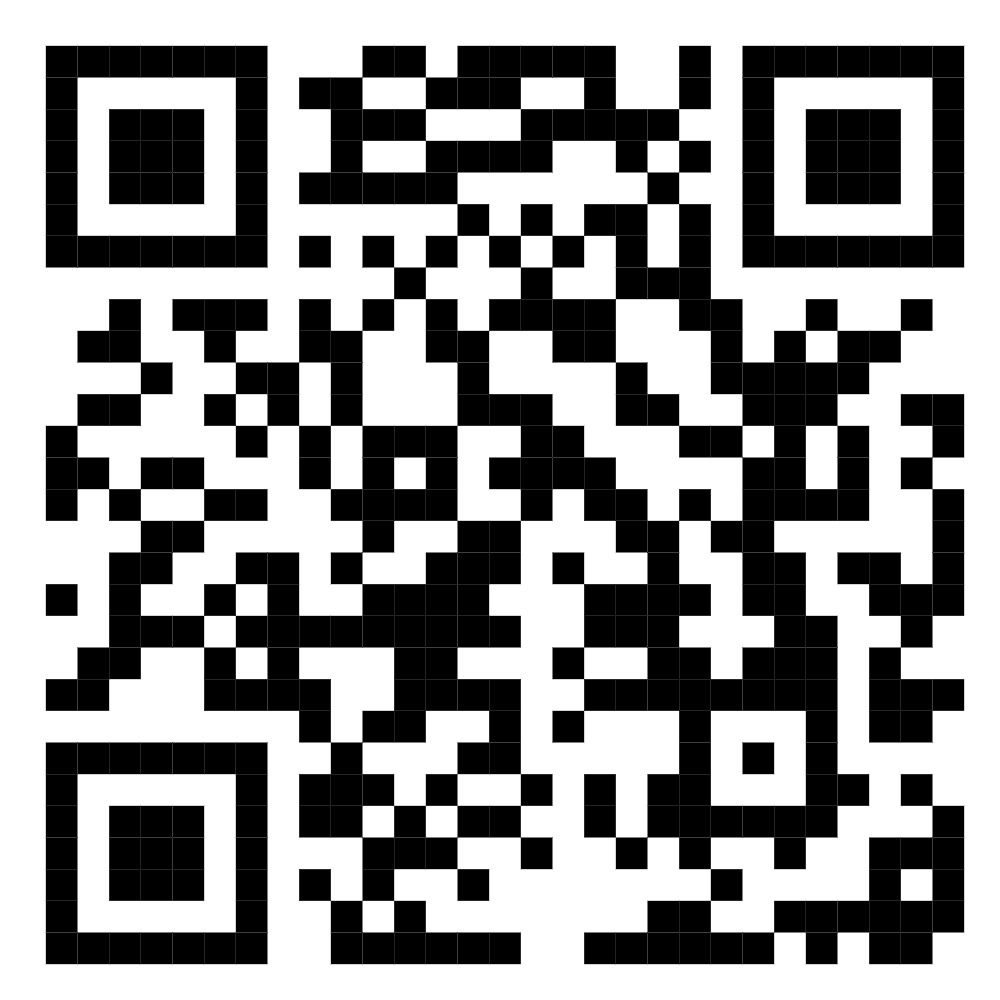
Scan for Submission

QR Code
Microsoft CMT Link

Conference Tracks

Track 1: Artificial Intelligence and Machine Learning
  • Deep Learning and Neural Networks
  • Natural Language Processing
  • Computer Vision and Image Processing
  • Reinforcement Learning
  • AI in Healthcare and Education
  • Ethical and Responsible AI
  • Expert Systems and Intelligent Agents
Track 2: Data Science and Big Data Analytics
  • Data Mining and Knowledge Discovery
  • Predictive and Prescriptive Analytics
  • Data Visualization and Interpretation
  • Big Data Architectures and Frameworks
  • Business Intelligence and Decision Support Systems
  • Statistical Modeling and Simulation
  • Data Privacy and Security in Analytics
Track 3: Cloud Computing, IoT, and Cybersecurity
  • Cloud Infrastructure and Virtualization
  • Edge and Fog Computing
  • Internet of Things (IoT) Applications
  • Blockchain Technology and Applications
  • Cybersecurity Threats and Solutions
  • Network Security and Cryptography
  • Smart Cities and Intelligent Systems
Track 4: Software Engineering and Emerging Applications
  • Agile Development and DevOps Practices
  • Human-Computer Interaction and Usability
  • Mobile and Web Applications
  • Software Quality Assurance and Testing
  • Green Computing and Sustainable IT
  • Educational Technologies and E-Learning Systems
  • Robotics, Automation, and Embedded Systems
Track 5: Blockchain Technologies and Secure Systems
  • Blockchain Architecture, Protocols, and Platforms
  • Cryptocurrencies, Smart Contracts, and DApps
  • Consensus Mechanisms and Distributed Ledger Innovations
  • Blockchain for Cybersecurity and Data Integrity
  • Tokenisation, Digital Identity, and Secure Transactions
  • Blockchain in Supply Chain, Finance, and Governance
  • Privacy-Preserving Techniques and Zero-Knowledge Proofs
Track 6: Healthcare Informatics and Smart Medical Systems
  • AI and Machine Learning in Medical Diagnosis
  • Healthcare Data Analytics and Predictive Modelling
  • Telemedicine, Remote Monitoring, and m-Health Applications
  • Medical Image Processing and Computer-Aided Diagnosis
  • Healthcare IoT, Wearable Devices, and Smart Sensors
  • Electronic Health Records (EHR) and Health Information Systems
  • Biotechnology, Biomedical Signal Processing, and Smart Healthcare Devices